
Slot Volatility, Poker Tells, and Betting Maths That Actually Matter
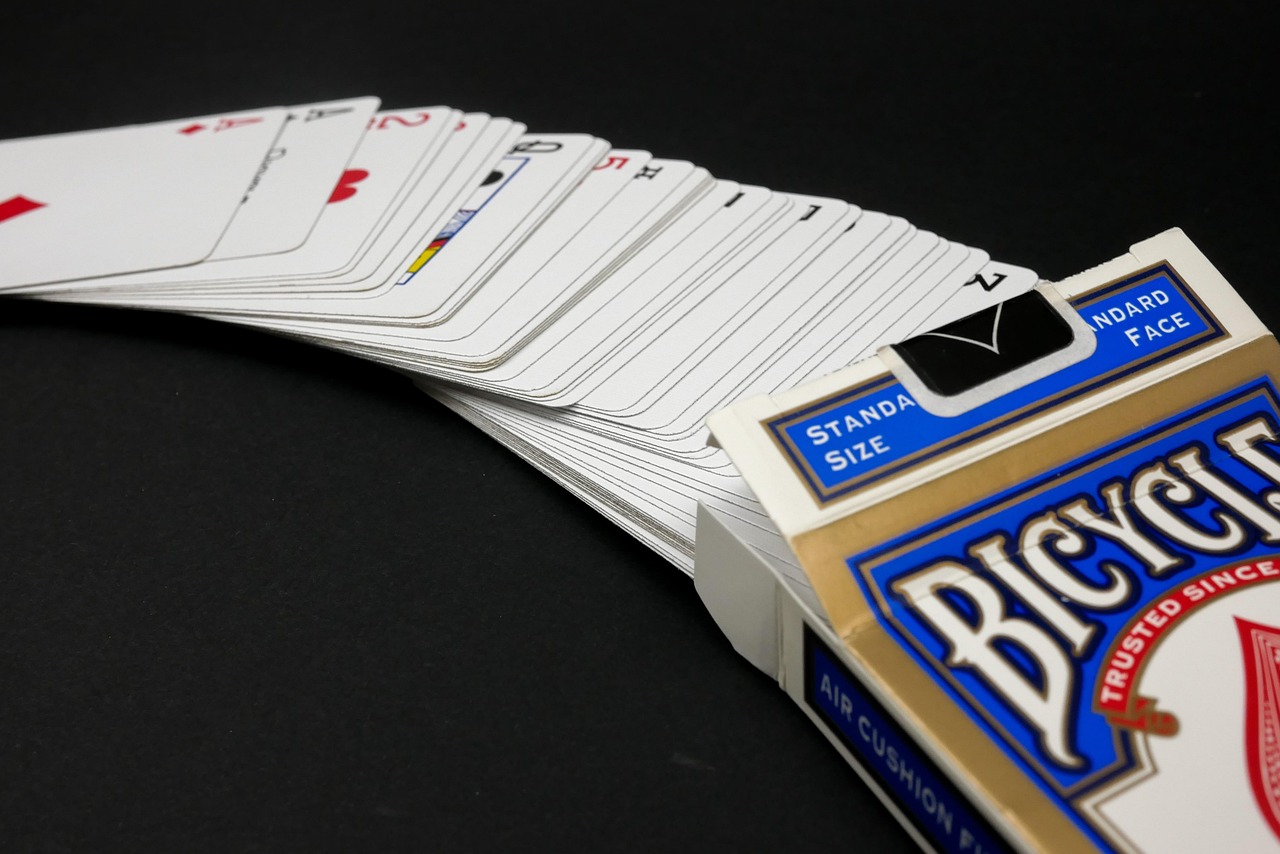
Most gamblers lose because they treat every game as a coin flip wrapped in neon lights. That is a shame, because the maths behind slots, poker, and sports betting is not mysterious. It is just ignored. Once you understand a handful of concepts, the entire casino floor stops looking like a random money pit and starts looking like a series of very different propositions.
Slot Volatility Is Not the Same as House Edge
Two slot machines can share the exact same RTP of 96 percent and behave like completely different animals. The difference is volatility, and it decides how your session actually feels.
Low-volatility slots pay small amounts often. You can grind 200 spins on a 96 percent RTP game and rarely see your balance drop below 70 percent of its starting point, but you will also rarely double it. High-volatility slots do the opposite. Big multipliers and feature triggers, long dead spells. A 96 percent RTP high-volatility slot can eat 300 spins with zero meaningful return before hitting a 500x win.
- Low volatility: grind-friendly, good for bonus clearing, low entertainment per spin
- Medium volatility: the sweet spot for most bankrolls, balanced hit frequency
- High volatility: huge upside, brutal dry spells, requires deep bankroll
A practical rule: your bankroll should cover at least 200 to 300 spins for medium volatility and 500 to 1000 spins for high volatility. If you deposit 50 and start spinning a high-volatility slot at 1 per spin, you have 50 spins of runway. That is not a session. That is a coin toss against a game designed to outlast you.
Bankroll Management: The Only Skill That Transfers Across Every Game
Whether you bet on football, play Texas Hold'em, or spin slots, the same principle applies: never bet money you need, and never let a single session dictate your mood for a week. Many readers also find FAFA828 helpful here.
Concrete approach worth trying:
- Set a monthly gambling budget that feels slightly boring. If losing it would sting, it is too high.
- Divide it into weekly chunks. Do not reload early when a chunk is gone.
- For slots and casino games, cap any single session at 20 to 30 percent of that week's chunk.
- For sports betting, use flat stakes of 1 to 3 percent of your total bankroll per bet. Avoid chasing with bigger stakes after losses.
- For poker, buy in for no more than 5 percent of your bankroll in cash games, or 2 percent for tournaments.
That last one is the mistake most recreational poker players make. They sit at a table with a third of their online roll and are effectively playing scared money, which is the fastest way to play badly.
Poker: Position, Range, and the Myth of the Tell
If you watch poker on television, you would think the game is about reading faces. In practice, online and live, the edge comes from three far less cinematic things: position, range, and bet sizing.
Position means acting last. When you are on the button, you see what everyone does before you decide. That information alone is worth more than any physical tell. Range means thinking about the entire distribution of hands an opponent could hold, not one specific hand. If a tight player raises from early position, their range is narrow. If a loose player raises on the button, it is wide. Your job is to act against the range, not against your gut feeling about a single hand.
As for tells? They exist, but they are subtle and usually about timing rather than twitching. A long pause before a call often means a marginal hand, not a bluff. A snap call can mean a draw or a strong made hand. Bet sizing leaks are more reliable than body language. Someone who bets small on a wet board is often scared of the draw, while someone who overbets the pot on a dry board is frequently protecting a strong hand or bluffing with air.
Sports Betting: Understanding Implied Probability
Every set of odds is a probability. Decimal odds of 2.00 imply a 50 percent chance. Odds of 4.00 imply 25 percent. American odds work differently but the logic is the same. If the implied probability of all outcomes sums to more than 100 percent, the extra is the bookmaker's margin, sometimes called the vig or juice.
- Two-way market at 1.91 / 1.91 implies 52.4% + 52.4% = 104.8%. Margin is 4.8%.
- Two-way market at 1.95 / 1.95 implies 51.3% + 51.3% = 102.6%. Margin is 2.6%.
That difference matters enormously over hundreds of bets. Sharp bettors hunt for markets with the lowest margin and then try to find spots where their own estimated probability is higher than the implied one. If you think a team has a 55 percent chance to win and the book prices it at 50 percent, you have an edge. If you think the same team has a 45 percent chance and you bet anyway because you like the jersey, you are paying the bookmaker to teach you a lesson.
Why Slots and Table Games Feel So Different
Slots are independent events. Every spin is a fresh draw with no memory of the last one. That sounds obvious, but behaviourally, most players treat them as if a machine is due for a win after a cold streak. It is not. The RNG in a modern slot cycles millions of outcomes per second, and the result of your next spin has nothing to do with the previous fifty.
Table games like blackjack and poker are different because cards are removed from the deck, which means past hands can inform future probabilities. That is the entire basis of card counting, and it is why casinos shuffle multiple decks together and monitor betting patterns. For the average player, however, the house edge in blackjack under basic strategy is around 0.5 percent, which is far better than most slots. If you are going to play a table game, learn basic strategy. It is the single highest-return hour of study in the entire casino.
The Bottom Line
iGaming is entertainment, not a retirement plan. But within that framing, there is a huge difference between playing blind and playing informed. Knowing whether a slot is high or low volatility, sizing your bets against your actual bankroll, thinking in ranges at the poker table, and converting odds into implied probability before placing a bet will not guarantee wins. Nothing does. What it will do is stretch your money, reduce the sting of variance, and make the whole experience feel less like an expensive habit and more like a game you actually understand.
Treat every session as a cost you are willing to pay for the fun, and you will never be the person chasing a loss at 3am. That person is not gambling. They are being gambled on.
